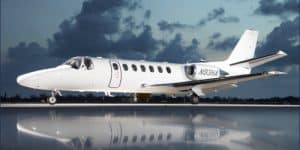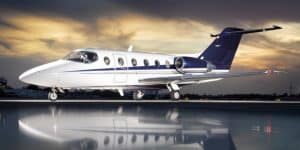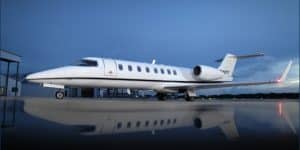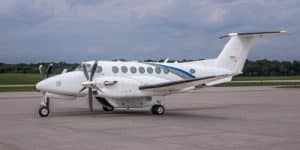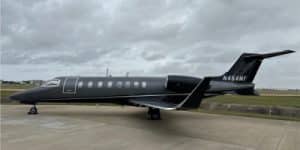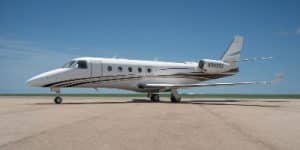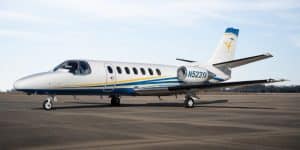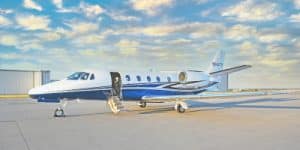

A twin may look like the safer answer on a ramp, while a modern single may deliver the lower-risk ownership decision for the mission you actually fly. The single engine versus twin engine question is not settled by engine count. It is settled by route structure, passenger expectations, useful load, runway access, pilot qualifications, maintenance capacity, and the cost of operating the aircraft often enough to justify the purchase.
For a buyer evaluating a high-value acquisition, the right comparison starts with the operating profile rather than the aircraft brochure. A well-matched aircraft creates dispatch confidence and preserves marketability. A poorly matched one becomes an expensive compromise, regardless of whether it has one engine or two.
Single Engine Versus Twin Engine Starts With the Mission
Define the mission in measurable terms: typical stage length, annual hours, passenger count, bags, airport elevation, runway length, weather exposure, and required reserve margins. Then distinguish between the mission flown most often and the mission that occurs only a few times per year. Buying around the occasional maximum-load trip can lead to excess operating cost on every routine trip.
A single-engine piston or turboprop is often the efficient choice for owner-flown regional travel, utility missions, and operations into smaller airports. Modern turbine singles can combine strong cruise speeds, substantial useful load, and straightforward operating economics. They also reduce the maintenance and overhaul exposure associated with a second powerplant, propeller, exhaust system, fuel system, and related components.
A twin can be the better tool when the mission requires more cabin volume, higher payload, greater cruise speed, longer range, or specific performance margins. Light and medium twins can also suit corporate departments, charter-oriented operations, and buyers who regularly carry several passengers with baggage. In the jet market, the comparison is less about choosing a single or twin configuration and more about selecting the right twin-engine class, cabin, range, and operating profile.
The practical question is not whether two engines are better than one. It is whether the aircraft can carry the required payload over the required distance, from the airports you use, with realistic fuel reserves and weather alternatives. That answer should come from actual performance data, not maximum published figures.
Redundancy Is Valuable, but It Is Not Automatic Safety
Twin-engine aircraft provide propulsion redundancy, and that matters. Following the loss of one engine, a properly flown multiengine aircraft may continue toward a suitable airport rather than requiring an immediate landing. For operations over water, mountainous terrain, remote areas, or at night, that capability can materially change route planning and passenger comfort.
But redundancy has operational conditions. A twin must have sufficient performance at its actual weight, altitude, temperature, and configuration. The pilot must recognize the failure, maintain directional control, identify and secure the affected engine, configure the aircraft correctly, and fly the appropriate engine-out profile. At low airspeed or close to the ground, the workload is high and the margin can be narrow.
Engine-Out Performance Depends on the Specific Aircraft
Not all twins deliver the same single-engine capability. Some piston twins have limited single-engine climb performance under demanding density-altitude conditions. Others, particularly turbine twins, offer stronger margins but also carry higher acquisition, training, and operating costs. Published single-engine climb figures should be evaluated against the airports and seasonal conditions the buyer expects to encounter.
A single-engine aircraft follows a different safety model: reliability, preventive maintenance, conservative fuel planning, route selection, weather discipline, and pilot proficiency. Many single-engine turboprops have established safety records in demanding commercial and private operations. Their simplicity can also reduce the number of systems requiring inspection, troubleshooting, and maintenance.
Neither configuration excuses weak training or deferred maintenance. Buyers should review accident and incident history at the model level, understand common operational risk factors, and confirm insurance training requirements before making an offer. A lower acquisition price can lose its appeal quickly if the buyer cannot meet recurrent training, experience, or coverage requirements on acceptable terms.
The Ownership Cost Gap Is Larger Than Fuel Burn
A twin typically costs more to acquire, insure, maintain, and operate than a comparable single. Fuel burn is the visible difference, but it is only one line item. Two engines mean two overhaul reserves or hot-section reserves, two propeller programs where applicable, more accessories, more cylinders or turbine components, and more potential discrepancies during inspections.
The cost gap also extends to hangar requirements, maintenance downtime, training, and parts availability. A buyer considering an aging piston twin should pay particular attention to engine calendar time, overhaul history, corrosion exposure, fuel system condition, landing gear maintenance, and avionics supportability. An attractively priced aircraft with near-term engine events or obsolete avionics may not be a value.
Turboprop comparisons deserve the same discipline. A single-engine turbine may offer a predictable maintenance program and lower hourly expense, while a twin turbine may justify its higher cost through cabin utility, speed, dispatch capability, and passenger requirements. The decision should include fixed expenses and variable costs over the expected annual utilization. An aircraft flown 75 hours per year produces a very different economic outcome than one flown 300 hours per year.
Resale liquidity belongs in the calculation as well. Popular models with broad pilot and service support often attract more qualified buyers. Niche configurations can be excellent aircraft, but their buyer pool may be smaller when it is time to sell. Historical transaction records, current inventory volume, asking-price trends, and days on market help establish whether a specific model is priced realistically.
Compare Payload and Performance at Realistic Weights
Useful load is not the same as cabin usefulness. A four-seat aircraft may not carry four adults, full fuel, and bags on a warm day. Likewise, a six- or eight-seat twin may have a cabin that meets passenger expectations but limited payload at the range the buyer wants to fly. Run the numbers for representative trips with actual passenger weights, baggage assumptions, fuel reserves, and alternate-airport planning.
Altitude and runway environment can change the answer. A buyer based at a high-elevation airport may value climb performance and takeoff margins more than headline cruise speed. A coastal operator making frequent short flights may prioritize corrosion control, low-speed handling, and access to maintenance. For a business traveler flying 500 to 900 nautical miles, cruise speed, cabin comfort, weather capability, and schedule reliability may outweigh the lowest possible hourly cost.
Also account for the operating model. Owner-flown aircraft place pilot workload and training at the center of the decision. Professionally crewed aircraft broaden the viable range of complex twins, but they introduce crew expense and scheduling considerations. A configuration that makes sense for a corporate flight department may be unnecessarily demanding for a private owner who flies infrequently.
Build the Comparison Around the Specific Airframe
The most useful comparison is model against model, serial number against serial number. Two aircraft in the same category can have very different values based on engine times, maintenance status, damage history, corrosion, interior condition, avionics, supplemental equipment, and documentation quality.
Before narrowing the field, establish a short list of required capabilities and a separate list of preferences. Required capabilities might include a minimum payload, runway limit, range, ice protection, pressurization, or cabin arrangement. Preferences may include paint scheme, entertainment system, or a particular avionics suite. This separation prevents cosmetic appeal from overriding the acquisition criteria.
Then validate the market. Compare current listings with completed transactions, examine how long comparable aircraft have been offered, and identify the cost of bringing each candidate to the desired standard. FindAircraft.com supports this process with daily inventory coverage, model-level performance data, comparable aircraft information, and more than 150,000 sales records. The objective is to understand the complete cost and risk profile before negotiating, not after closing.
A pre-purchase inspection should be structured around the model's known maintenance items and the individual aircraft's records. Use an inspection facility with direct experience on the type, and ensure the purchase agreement provides clear terms for discrepancies, records review, and acceptance. Engine compressions or trend data alone are not a substitute for a full records-based technical review.
Choose the Aircraft You Will Use Confidently
A single is often the disciplined choice when efficiency, simplicity, and realistic payload requirements align. A twin is often the right choice when mission redundancy, cabin capacity, speed, or operating environment justifies greater complexity and cost. The right answer can change as your business, routes, crew structure, and annual utilization change.
Treat the purchase as a long-term operating decision rather than a specification contest. The aircraft that fits your recurring mission, training commitment, maintenance budget, and eventual resale plan will be the one you can operate with confidence.