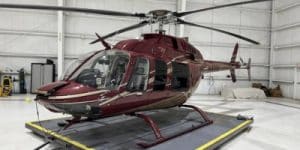

A piston airplane can look dependable on a listing sheet and still become an expensive operational problem after closing. The most reliable piston aircraft is not simply the model with the best reputation. It is the aircraft with a maintenance record, utilization pattern, equipment package, and support network that fit the mission you intend to fly.
That distinction matters in every acquisition. A well-maintained, regularly flown 40-year-old Cessna may be a lower-risk purchase than a newer, lightly used aircraft with long periods of inactivity, deferred corrosion work, and incomplete logs. Reliability is created by the airframe, but it is preserved by ownership.
What Makes a Piston Aircraft Reliable?
For a buyer, reliability has four practical dimensions: dispatch reliability, mechanical durability, maintenance predictability, and support availability. An airplane that starts consistently but requires specialty parts, a limited pool of knowledgeable technicians, or repeated avionics troubleshooting may not be reliable in the ownership sense that matters.
The strongest candidates usually share several traits. They have large installed fleets, established type clubs and maintenance knowledge, broad parts availability, proven engines, and straightforward systems. These characteristics reduce downtime and improve the buyer's ability to get accurate pre-purchase findings, realistic maintenance forecasts, and meaningful comparable-sales data.
Mission still comes first. A fixed-gear trainer and a turbocharged high-performance cross-country airplane should not be judged by the same operating standard. More speed, pressurization, turbocharging, retractable landing gear, ice protection, and sophisticated avionics can add capability. They also add inspection points, maintenance exposure, and potential downtime.
Reliability Begins With the Individual Airplane
No model designation overrides the condition of the serial number in front of you. Review complete logbooks, engine and propeller times, recurring discrepancies, damage history, corrosion exposure, avionics installation records, and the aircraft's recent annual inspection results. Pay close attention to aircraft that have flown very little over many years. Low time can be attractive, but engines, hoses, seals, fuel systems, and electrical components do not benefit from sitting idle.
A qualified pre-purchase inspection should be performed by a shop with real experience on that make and model. The goal is not only to identify immediate defects. It is to establish the next several years of likely capital requirements, including engine reserve, propeller overhaul, magnetos, cylinders, landing gear work, fuel tank repairs, paint, interior, and panel upgrades.
Most Reliable Piston Aircraft by Mission
There is no single winner for every buyer. The following aircraft families consistently earn consideration because their fleet size, operational track record, and support ecosystem make them practical acquisition candidates.
Cessna 172 Skyhawk: The Conservative Ownership Choice
The Cessna 172 is often the benchmark for simple, dependable piston ownership. Its fixed gear, forgiving flight characteristics, Lycoming engine options, and enormous installed base make it familiar to pilots, mechanics, insurers, and flight schools across the United States.
For personal owners, the 172 is a strong fit for local flying, training, and modest cross-country use. It is not the fastest option, and useful load varies significantly by year, engine, and equipment. But its parts support, service familiarity, and deep resale market are major advantages. A late-model 172 with a modern panel can command a premium, while older examples require close attention to corrosion, engine condition, and the quality of prior modifications.
Cessna 182 Skylane: Capability Without Excess Complexity
For buyers who need more useful load and cross-country capability, the Cessna 182 has one of the most durable reputations in general aviation. It retains the straightforward fixed-gear format while offering more power, a larger cabin feel, and practical load-carrying ability.
The 182's appeal is operational: it can serve a family owner, business traveler, or backcountry-oriented pilot without moving into the maintenance profile of a retractable airplane. Naturally aspirated versions are generally the simpler ownership proposition. Turbocharged variants offer better high-altitude performance but require a buyer to assess engine management practices and turbo-system condition carefully.
Piper PA-28 Archer and Dakota: Proven, Accessible Platforms
The Piper PA-28 family remains one of the most recognizable and supportable piston-aircraft lines in the market. The Archer is a sensible choice for buyers prioritizing manageable acquisition cost, predictable maintenance, and a broad pool of technicians familiar with the type.
The Dakota provides a meaningful step up for owners who need useful load and practical four-seat capability. It is a particularly relevant alternative to the Cessna 182 for buyers who value the Piper cabin layout and handling characteristics. As with any older airframe, inspect for corrosion, fuel-system condition, aging wiring, and the quality of prior repairs rather than relying on the model's reputation alone.
Beechcraft Bonanza: High-Performance Reliability for Informed Owners
The Beechcraft Bonanza has remained in demand for decades because it combines speed, comfort, useful load, and a mature support community. It is not a low-complexity aircraft, but it can be an exceptionally dependable traveling machine when maintained by a knowledgeable shop and flown regularly.
Bonanza buyers need to distinguish between variants, engine configurations, and equipment levels. A well-documented A36 may suit a family or business mission better than a lighter, faster V-tail model, while the acquisition and maintenance economics can differ materially. Landing gear rigging, fuel-system condition, control-surface corrosion, engine history, and past damage repairs deserve disciplined review. The right Bonanza is a strong long-term asset. The wrong one can carry substantial catch-up costs.
Mooney M20: Efficient, but Condition Matters More
Mooney M20 aircraft are attractive to owner-pilots who place a premium on speed and fuel efficiency. Their clean airframes can deliver impressive cross-country performance on relatively modest fuel flow, especially in naturally aspirated models operated within disciplined engine-management practices.
The trade-off is that many examples are older, and the fleet includes a wide range of modifications, avionics generations, and maintenance standards. A buyer should verify parts pathways, inspect the steel-tube cabin structure for corrosion where applicable, and use a Mooney-experienced inspector. The model can be highly reliable in the hands of an engaged owner, but it is less forgiving of incomplete records or deferred maintenance than a more basic fixed-gear platform.
Cirrus SR22: Modern Capability With Modern Systems Exposure
The Cirrus SR22 is one of the most capable personal piston aircraft in the market, with strong cruise performance, modern avionics, a large owner base, and the Cirrus Airframe Parachute System. For buyers flying serious business or family missions, it offers a level of situational awareness and cabin utility that older designs may not match.
Its reliability equation is different from that of a Cessna 172. The SR22 relies on more complex avionics, electrical systems, composite repair expertise, and specific scheduled requirements. Buyers should closely review CAPS replacement status, avionics maintenance history, engine-monitor data when available, and adherence to manufacturer service guidance. It is a capable platform, but its ownership costs should be evaluated at the same level of detail as its performance.
How to Compare Reliable Piston Aircraft Before Making an Offer
Start with a written mission profile: annual hours, typical passenger count, baggage requirement, runway environment, weather exposure, desired range, and whether the airplane must serve business travel. That profile narrows the field faster than broad claims about reliability.
Then compare individual listings on total ownership exposure, not just asking price. A lower-priced aircraft that needs an engine, propeller overhaul, avionics upgrade, and interior work can exceed the cost of a better-equipped, better-documented example. Historical sales records and current comparable inventory help establish whether an asking price reflects condition or simply a seller's expectation.
Use the pre-purchase process to verify the major risk areas. Confirm title and registration, review logbook continuity, validate damage disclosures, inspect for corrosion and repairs, evaluate engine health, and determine the status of every calendar-driven inspection or replacement item. Insurance requirements also deserve early attention, especially for retractables, high-performance models, and pilots transitioning into unfamiliar aircraft.
FindAircraft.com can help buyers organize this work by bringing current inventory, model-level specifications, market comparisons, sales records, registration information, and accident data into one research process. The objective is not to find the cheapest airplane. It is to identify the aircraft whose condition and market position support a confident transaction.
The best purchase is usually the airplane with complete records, consistent recent use, competent maintenance, and a price that leaves room for the work every aircraft eventually needs. Put the serial number through the same level of scrutiny as the model name, and reliability becomes something you can verify rather than merely hope for.