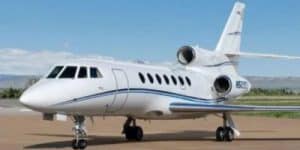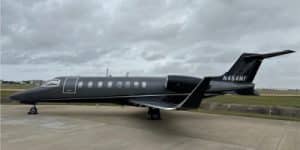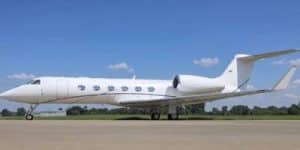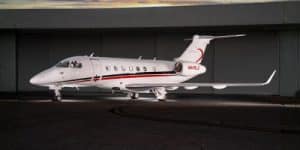

A 10-year-old aircraft can be worth more than a five-year-old example of the same model. That apparent contradiction is why the question, what does aircraft depreciation mean, deserves more than a simple percentage calculation. In aviation, depreciation is the decline in an aircraft's value over time, but the actual market result depends on condition, maintenance status, engine life, equipment, utilization, and buyer demand.
For a buyer, depreciation affects the cost of ownership and resale exposure. For a seller or dealer, it determines whether an asking price aligns with the available market and recent transactions. For an operator, it shapes capital planning, maintenance decisions, and the economics of keeping an aircraft versus replacing it.
What Does Aircraft Depreciation Mean in Practice?
Aircraft depreciation has two related but different meanings: market depreciation and accounting or tax depreciation.
Market depreciation is the change in what a willing buyer will pay for an aircraft. It is driven by supply, demand, model reputation, operational costs, maintenance requirements, and the specific aircraft's records and condition. This is the depreciation that matters most when pricing an aircraft for sale or evaluating an acquisition.
Accounting depreciation is the scheduled reduction of an aircraft's book value for financial reporting and, in some cases, tax planning. A business may depreciate an aircraft over a defined recovery period using methods allowed under tax rules. That schedule can be useful for planning, but it does not establish fair market value. An aircraft can be fully depreciated on a company balance sheet and still command a substantial sale price.
The difference matters. A late-model light jet may depreciate on a predictable accounting schedule while experiencing a sharp market adjustment because new-model deliveries increase used inventory. Conversely, a well-supported turboprop with limited supply may retain value better than its age alone would suggest.
Why Aircraft Values Decline – or Sometimes Hold
Most aircraft lose value fastest in their early years. The original buyer absorbs the premium associated with a new aircraft, current factory warranty, newest cabin and avionics configuration, and immediate availability. Once the aircraft enters the pre-owned market, pricing begins to reflect comparable inventory rather than a factory delivery position.
After that initial adjustment, value movement becomes less uniform. Mature models with broad owner communities, strong parts support, predictable operating costs, and active training pipelines often depreciate gradually. Models with limited support, expensive maintenance events, outdated avionics, or weak demand can decline more quickly.
Market cycles can override the normal pattern. When inventory is scarce and buyer demand is high, certain aircraft may appreciate temporarily. This occurred across several segments when buyers faced long lead times for new deliveries and limited choices in the used market. Appreciation should not be treated as a permanent ownership assumption. As inventory normalizes, values can return to longer-term trends.
An aircraft is therefore not depreciating simply because another calendar year has passed. It is being repriced continually against competing aircraft, replacement options, and the expected cost to operate it.
Age, Flight Time, and Cycles
Calendar age, total time, and cycles are foundational value inputs, but their weight varies by aircraft type. A piston aircraft buyer may focus heavily on engine time since major overhaul, propeller time, corrosion exposure, and avionics capability. A turbine buyer will assess engine program enrollment, remaining life-limited component value, airframe cycles, maintenance status, and upcoming scheduled inspections.
High time is not automatically negative. An actively flown aircraft with consistent maintenance can be more attractive than a low-time aircraft that has sat unused for years. Still, high utilization can move the aircraft closer to major inspections, landing gear overhauls, engine events, or component replacement. Buyers discount for those known costs unless they are already reflected in the records and price.
For pressurized aircraft and transport-category jets, cycles can be as relevant as hours. Frequent short legs increase cycles and may accelerate certain inspection or component requirements. A comparison that looks only at total flight hours can miss a significant value difference.
Maintenance Status and Logbook Quality
Maintenance is often where depreciation becomes most visible during a transaction. An aircraft approaching a costly inspection is not necessarily worth less because of age. It is worth less because the next owner may need to fund a defined event soon after closing.
Complete, organized logbooks and maintenance records protect value because they reduce uncertainty. Missing records, damage history that is poorly documented, unresolved discrepancies, corrosion findings, and inconsistent maintenance can create a much larger discount than a simple age-based valuation model suggests.
Buyers should distinguish between routine upkeep and capital preservation. Replacing worn interior components, repairing paint, addressing corrosion, and completing major inspections may not return every dollar spent at resale. Yet deferring them can reduce buyer confidence, lengthen marketing time, and force a steeper price concession.
Engines, Programs, and Remaining Value
On turbine aircraft, engines can represent a major portion of the aircraft's value. Remaining time before overhaul or restoration, engine condition, and enrollment in hourly maintenance programs can materially change a comparable sale analysis.
An aircraft with engines near a major event may be appropriately priced below a similar aircraft with fresh engine work or program coverage. Neither is automatically the better deal. The buyer must compare the acquisition discount with the expected maintenance obligation, financing terms, operating plan, and residual value after the work is completed.
The same logic applies to auxiliary power units, propellers, landing gear, and life-limited components. A listing price is only the opening number. The capital required to bring the aircraft through its next maintenance cycle is part of its effective acquisition cost.
Equipment Can Slow Depreciation, but Not Eliminate It
Avionics upgrades, connectivity, cabin refurbishment, paint, and mission equipment can improve marketability and sometimes preserve value. They rarely produce a dollar-for-dollar return. Their strongest benefit is often competitive: the aircraft may sell faster, attract more qualified buyers, or avoid the discount applied to an obsolete configuration.
For example, modern navigation capability and compliance with required surveillance equipment are baseline expectations in many segments. They help an aircraft remain usable and broadly marketable, but they do not necessarily create a premium beyond the cost of installation. A high-quality interior or recent paint can matter more when competing aircraft show deferred cosmetic work.
Before investing in upgrades, owners should evaluate the model's buyer profile. A corporate operator may value cabin connectivity and program coverage. A personal owner may prioritize useful load, engine reserve, and practical avionics. The upgrade that matters is the one that removes an objection for the next likely buyer.
How to Use Depreciation When Comparing Aircraft
Depreciation should inform a purchase decision, not replace proper valuation diligence. Two aircraft with the same year, model, and advertised price may carry very different ownership economics.
Start with recent, comparable sales rather than asking prices. Then adjust for total time, cycles, engine and component status, maintenance programs, avionics, interior and exterior condition, damage history, registration history, and the timing of major inspections. Current listings show competition; completed transactions show where the market has actually cleared.
A useful comparison also includes the broader supply picture. If multiple similar aircraft have been listed for extended periods, a buyer may have negotiating leverage. If few comparable aircraft are available and several have sold quickly, the market may support a firmer price. FindAircraft.com market data, active inventory, and historical sales records are designed to bring those factors into one research process.
Buyers should also model an ownership horizon. A lower-priced aircraft that needs immediate maintenance may be a strong value for an owner planning to keep it for many years. It may be less attractive for an owner expecting to resell within 18 months. Conversely, paying more for a recently refurbished, fully current aircraft can reduce near-term operational disruption and preserve resale appeal.
Depreciation Is Not the Same as Operating Cost
A common mistake is to treat depreciation as the entire cost of owning an aircraft. It is one component of the financial picture. Fuel, hangar or tie-down, insurance, financing, crew, training, maintenance, subscriptions, taxes, and management expenses can be substantial. In some ownership profiles, the annual loss in market value may be smaller than the annual operating budget. In others, particularly with newer aircraft, depreciation can be one of the largest costs.
The relevant question is not whether an aircraft will depreciate. Most will over a long enough period. The question is whether the expected value change, combined with operating and capital costs, is reasonable for the mission the aircraft serves.
A disciplined buyer does not chase the lowest purchase price or assume that a newer aircraft is automatically safer from depreciation. Compare the aircraft's complete maintenance position, market supply, transaction history, and likely resale audience. The right aircraft is the one whose value, capability, and future cost exposure are all understood before the purchase agreement is signed.