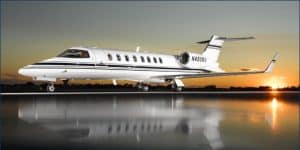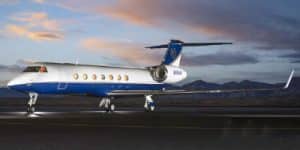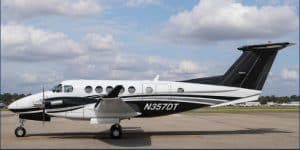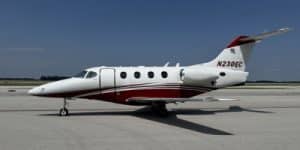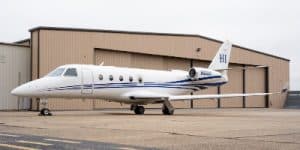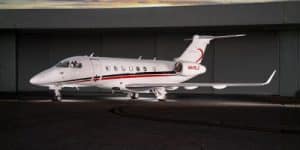

A late-model aircraft with low hours can look like a better value than a factory-new alternative until the first maintenance forecast, avionics upgrade quote, or records review changes the equation. The best new and used aircraft for sale are not simply the lowest-priced listings. They are the new and used aircraft for sale that fit the mission, have supportable operating costs, and can withstand technical and financial due diligence.
For a private buyer, flight department, dealer, or operator, acquisition starts with a clear definition of the mission. Passenger count, typical stage length, runway requirements, baggage needs, dispatch expectations, and annual utilization should narrow the field before comparing asking prices. A buyer flying 75 hours per year has a different cost structure and risk tolerance than a charter operator flying 500 hours annually.
Start With the Mission, Not the Listing Price
Aircraft prices are visible. The cost of buying the wrong aircraft is less visible, and often much higher. A piston owner may be drawn to a low acquisition price, then find that useful load, avionics capability, or engine reserve makes the aircraft unsuitable for the trips they actually plan to fly. A jet buyer may focus on cabin size and overlook fuel burn, maintenance program enrollment, or the availability of qualified technicians near its operating base.
When considering new and used aircraft for sale, it is vital to evaluate all aspects beyond just the purchase price to ensure a sound investment.
Define the aircraft's primary job first. A business owner traveling with three colleagues between regional airports may prioritize a turboprop or light jet with dependable short-field performance. A family owner may value cabin flexibility, luggage capacity, and straightforward maintenance support. Corporate flight departments may place more weight on dispatch reliability, fleet commonality, and predictable hourly costs.
Once the mission is defined, establish nonnegotiable parameters. These typically include range with real-world reserves, usable payload, runway performance, cruise speed, equipment requirements, and a maximum annual operating budget. This prevents a search from becoming driven by attractive paint, premium interiors, or a headline purchase price that does not fit the operation.
New vs. Used Aircraft: Where Value Actually Changes
A new aircraft offers warranty coverage, current production standards, the latest avionics, and known ownership history. It may also deliver more predictable early-year maintenance planning. For buyers who need a specific interior, mission equipment package, or guaranteed delivery configuration, new production can justify its premium.
For buyers looking for new and used aircraft for sale, understanding warranty options is crucial to making an informed decision.
The trade-off is depreciation and, in some market segments, delivery timing. A new aircraft can lose value quickly in its first years, particularly when production rates rise or a manufacturer introduces a meaningful model update. Buyers should also confirm whether the projected delivery date supports their operational timeline. A factory position is not always equivalent to an immediately available aircraft.
A used aircraft can provide substantial value when it has been well maintained, appropriately equipped, and priced against recent comparable transactions. The used market also creates access to discontinued models that remain highly capable and well supported. For experienced buyers, an aircraft approaching a major maintenance event may be an opportunity if the purchase price, maintenance reserve, and downtime are all accounted for.
Investing in new and used aircraft for sale requires careful consideration of their historical performance and current market trends.
However, used aircraft value depends heavily on condition and documentation. Two aircraft of the same model and year can have materially different values because of engine status, inspection timing, damage history, maintenance-program coverage, avionics, interior condition, and records completeness. Total time alone does not answer the question.
Consider the Cost of Time to Ownership
Understanding the differences between new and used aircraft for sale can significantly impact your ownership experience.
The right decision may depend on when the aircraft is needed. An available pre-owned aircraft with current inspections and a clean pre-purchase result can enter service far sooner than a new-build delivery. Conversely, an operator with a long planning horizon may prefer to order new, set the configuration, and avoid the uncertainty of retrofitting a used aircraft.
Time also has a financial impact. Holding costs, interim charter expense, financing conditions, and lost operating opportunity should be part of the comparison. An aircraft that is less expensive to acquire but takes months to close because of records problems or maintenance findings may not be the lower-cost option.
Compare New and Used Aircraft for Sale on Total Ownership Cost
Total ownership costs for new and used aircraft for sale should include all potential expenses beyond the purchase price.
The acquisition price is only one line in the ownership equation. A disciplined comparison includes fixed costs, variable costs, scheduled maintenance, unscheduled maintenance reserves, insurance, hangar or tie-down expense, training, crew, subscriptions, taxes, and financing.
For turbine aircraft, engine and auxiliary power unit program status can materially affect both current cost and resale value. For piston aircraft, engine time since overhaul, calendar age, propeller status, corrosion exposure, and avionics capability deserve the same attention. An aircraft with a low purchase price and an engine nearing overhaul is not necessarily a bargain. It may be correctly priced for a large near-term obligation.
Maintenance events should be mapped against the buyer's expected ownership period. A buyer planning to own an aircraft for three years should understand which inspections, component overhauls, and calendar-driven tasks will fall during those years. This is especially important for helicopters, aging business jets, warbirds, and specialized aircraft where parts availability and labor expertise can be limited.
When analyzing total ownership costs, buyers should assess new and used aircraft for sale based on projected maintenance needs.
Residual value matters as well. Models with active fleet support, broad operator demand, strong training availability, and a stable installed base generally offer more predictable resale prospects. That does not mean every popular model is overpriced or every niche model should be avoided. It means the market needs to be measured against a realistic exit strategy.
Use Comparable Sales, Not Just Active Asking Prices
Market awareness is essential when comparing new and used aircraft for sale to ensure fair pricing.
An asking price reflects a seller's expectation. A completed transaction reflects what a qualified buyer was willing to pay for a specific aircraft under specific conditions. Both are useful, but they answer different questions.
When evaluating comparable aircraft, match more than make, model, and year. Review total time, engine status, program enrollment, maintenance condition, damage and repair history, avionics suite, inspection status, interior and paint condition, and geographic location. A recent sale of a highly equipped aircraft with fresh major maintenance may not be a valid comp for an aircraft due for expensive work.
Market data is most useful when it exposes patterns. Are listings accumulating? Are aircraft selling closer to asking price? Is one model year moving faster than another? Have recent transactions rewarded upgraded avionics or penalized incomplete records? FindAircraft.com provides daily market coverage across more than 18,000 listings and access to more than 150,000 sales records, giving buyers a stronger basis for identifying a defensible price range.
Buyers should leverage data from new and used aircraft for sale to make informed decisions about their purchase.
The objective is not to force a seller into the lowest number. It is to understand the aircraft's market position, identify the cost of deferred items, and negotiate from evidence rather than assumption.
Treat Records and Inspection as Deal-Critical
The importance of inspections cannot be overstated when considering new and used aircraft for sale.
A pre-purchase inspection is not a formality. It is the point at which a promising listing becomes a verified asset or a transaction that should be renegotiated, deferred, or declined. The inspection facility should have meaningful experience with the specific make and model, and it should be independent of the seller whenever practical.
Before an offer becomes final, review complete maintenance records, airworthiness directives, service bulletins, modification documentation, registration history, damage history, lien status, and program transfer requirements. Confirm that serial numbers, installed equipment, and logbook entries align with the representation in the listing.
Incomplete records are not automatically disqualifying, but they require a clear explanation and a valuation adjustment. A missing period in the logs can affect insurability, resale, and future maintenance decisions. The same principle applies to damage history. Properly repaired damage does not always eliminate an aircraft from consideration, but buyers should understand the repair scope, documentation, and market effect before setting a final price.
Potential buyers should gather detailed records for any new and used aircraft for sale they are considering.
Build the Offer Around Findings
A well-structured letter of intent gives the buyer a path to resolve findings without ambiguity. It should address deposit handling, inspection scope, acceptance standards, closing timing, title work, and responsibility for discrepancies. If the inspection identifies issues, the buyer may request repairs, a price adjustment, escrow holdback, or a decision to walk away, depending on the severity and terms of the agreement.
Avoid treating every finding as a seller obligation. Aircraft require maintenance, and normal wear is expected. Focus negotiations on undisclosed conditions, airworthiness issues, major upcoming expenses, or discrepancies that materially change the aircraft's value or intended use.
Buy for the Next Owner, Too
Even buyers with no plan to sell soon should consider resale on the day they acquire an aircraft. Choose a configuration with broad market appeal when possible. Current navigation capability, clean records, sensible paint and interior choices, enrolled maintenance programs, and a consistent maintenance history can all support future liquidity.
The strongest purchase is rarely the newest aircraft or the cheapest one. It is the aircraft whose mission fit, condition, operating profile, and market evidence all support the same decision. When those factors align, a buyer can move from searching inventory to owning with a clear view of both the first flight and the eventual exit.
Choosing wisely among new and used aircraft for sale can lead to significant long-term benefits.