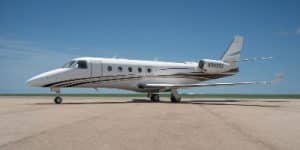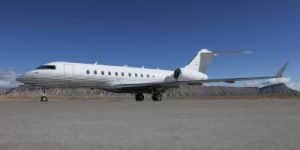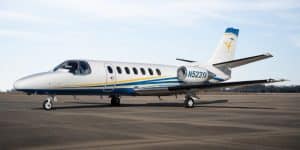

A late-model aircraft can look like the right buy until the records reveal inconsistent maintenance, an upcoming major inspection, or a configuration that does not support the missions it will actually fly. Business aircraft acquisition is not a search exercise alone. It is a capital decision that combines market timing, operational fit, technical condition, regulatory diligence, and a clear view of ownership cost.
The strongest buyers establish their requirements before they evaluate individual listings. That discipline makes it easier to recognize a genuinely well-priced aircraft, reject a poor fit quickly, and negotiate from evidence rather than urgency.
Start Business Aircraft Acquisition With the Mission
The right aircraft is defined by the trips it must perform, not by its paint year, cabin photos, or headline asking price. A corporate flight department may need dependable nonstop range for a small group of executives, strong runway performance at constrained airports, and dispatch reliability that protects a demanding schedule. A private owner may place greater value on cabin comfort, owner-pilot capability, access to smaller airports, or lower annual fixed costs.
Build the acquisition brief around the operating profile: typical passenger count, annual flight hours, longest planned mission, home airport elevation and runway length, baggage requirements, and expected destinations. Consider whether the aircraft will be flown privately, managed under Part 91, operated under Part 135, or placed into a charter program. Each choice affects equipment, maintenance expectations, crew requirements, insurance, and residual value.
Range deserves particular scrutiny. Published range figures are useful for model comparisons, but they are not a flight plan. Passenger load, winds, cruise speed, alternate requirements, runway conditions, and reserve fuel can materially change mission capability. A buyer choosing between a light jet and a midsize jet, for example, should test both against real routes rather than assume a brochure number will meet the requirement.
Set a Budget That Includes the First Year
The purchase price is only one line in the capital plan. A disciplined budget includes the aircraft, sales or use tax where applicable, pre-purchase inspection, escrow, legal review, registration, insurance, crew training, initial maintenance, subscriptions, hangar or parking, and working capital for discrepancies found during closing.
For turbine aircraft, forecast upcoming calendar-driven and hourly maintenance events. Engine programs, auxiliary power unit coverage, parts programs, and enrolled maintenance plans can reduce exposure, but their transfer rules and coverage terms must be verified. An aircraft that appears less expensive may carry substantial near-term costs if its engines, landing gear, paint, interior, avionics, or major inspection status are behind comparable aircraft.
The same principle applies to piston aircraft, turboprops, helicopters, and older jets. Lower entry cost can be appropriate when the operating profile supports it. It can also be misleading when parts availability, downtime risk, fuel burn, or maintenance complexity erodes the apparent savings.
Research the Market Before You Contact a Seller
A listing price is a seller's position, not a market conclusion. Buyers need current inventory, historical transaction data, comparable aircraft specifications, days on market, and evidence of how similar aircraft have actually traded. The most useful comparables match not only the model and year, but also engine time, program enrollment, avionics, maintenance status, damage history, interior condition, and geographic market.
This is where a structured aircraft marketplace provides an advantage over fragmented classified searches. FindAircraft.com organizes live inventory across aircraft categories and models while providing access to more than 150,000 sales records, comparable data, performance information, registration history, accident information, saved searches, and pricing alerts. That evidence helps buyers separate a competitive offer from a price that merely looks attractive.
Market timing matters, but it should not override the mission. A larger inventory pool can improve selection and negotiating leverage. Tight supply can make prompt action necessary when a properly equipped aircraft with complete records becomes available. The goal is not to predict the perfect market bottom. It is to know what a specific aircraft is worth relative to the alternatives available now.
Compare Configuration, Not Just the Model Name
Two aircraft with the same model designation can have very different utility and values. One may have modern avionics, connectivity, completed maintenance, fresh interior work, enrolled engines, and a desirable cabin layout. Another may require immediate upgrades or have lower utility because of deferred work and limited equipment.
For business aircraft, assess equipment against the intended operation. Verify navigation and surveillance compliance, connectivity capability, galley and seating configuration, lavatory arrangement, baggage access, noise requirements, and any modifications affecting payload or performance. For owner-flown aircraft, avionics integration, autopilot capability, deicing equipment, and training requirements may carry equal weight.
Verify the Aircraft Before You Negotiate the Final Price
A serious offer should be conditioned on thorough due diligence. The review begins with the logbooks and continues through title, registration, maintenance status, damage history, modification documentation, and physical inspection. Missing records are not a minor administrative issue. They can affect airworthiness confidence, future resale, financing, insurance, and the buyer's ability to establish the aircraft's true condition.
Use an independent acquisition team with experience in the aircraft type. Depending on the transaction, that team may include an aircraft broker, aviation attorney, escrow agent, tax advisor, lender, insurance specialist, maintenance facility, and technical representative. Their roles are distinct. A seller's representative can provide information, but the buyer needs professionals whose duty is to identify risk on the buyer's behalf.
The pre-purchase inspection should follow a written scope agreed upon before the deposit is placed. It should address the airframe, engines, avionics, records, corrosion exposure, known discrepancies, applicable airworthiness directives, service bulletins, and maintenance tracking. A proper inspection is not designed to find reasons to abandon every transaction. It is designed to identify condition, quantify corrective work, and determine whether the agreed price still reflects the aircraft being delivered.
Define Discrepancy Rules in the Purchase Agreement
Aircraft transactions can become difficult when the parties have not agreed on what happens after inspection findings. The purchase agreement should clearly define the deposit, acceptance conditions, inspection period, closing date, title requirements, delivery location, risk of loss, and the treatment of discrepancies.
Some findings are expected in a used aircraft. The important question is whether they are airworthiness items, safety issues, deferred maintenance, undocumented alterations, or costs that change the financial case for the purchase. Establish thresholds and remedies in advance. The seller may repair certain items, provide a credit, reduce the price, or decline the requested work. The buyer should retain a clearly defined right to reject the aircraft if the agreed conditions are not met.
Treat Delivery as the Beginning of Ownership Planning
Closing is not the finish line. Before delivery, confirm insurance binders, crew qualifications, training dates, management arrangements, maintenance program transfers, subscriptions, tax documentation, and hangar availability. If the aircraft will enter charter service, verify that its records, equipment, and condition meet the operator's standards before the transaction closes.
Create a post-delivery baseline. Record the aircraft's condition, upcoming inspection schedule, component status, software versions, program enrollments, and open maintenance items. This baseline supports better dispatch planning and protects resale value when the time comes to sell.
The best business aircraft acquisition decisions are made before a letter of intent is signed. Define the mission, measure the total cost, compare the real market, and inspect the exact aircraft you intend to own. When the evidence supports the decision, a buyer can move quickly without guessing.