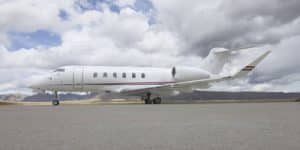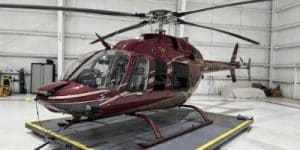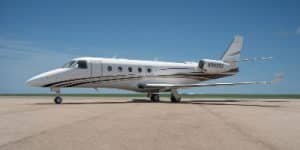

A quoted aircraft loan rate is not simply a reflection of the borrower’s credit score or the Federal Reserve’s latest move. It is a lender’s price for a specific transaction: a specific aircraft, buyer, down payment, operating plan, collateral position, and repayment period. Two buyers with similar financial strength can receive materially different terms when one is financing a late-model Citation with complete records and the other is acquiring a 30-year-old turbine aircraft with a limited resale market.
For a serious acquisition, the question is not only what affects aircraft loan rates, but which factors can be improved before an application reaches a lender. Better preparation can protect negotiating leverage, reduce closing delays, and help ensure the financing structure matches the aircraft’s likely ownership horizon.
What Affects Aircraft Loan Rates Most
Aircraft lenders evaluate both repayment risk and collateral risk. Repayment risk concerns the borrower’s ability and willingness to pay. Collateral risk concerns whether the aircraft can be valued, insured, maintained, registered, and resold if the loan must be repaid through a sale. The strongest applications address both sides clearly.
Borrower credit and financial capacity
Credit quality remains central. Lenders review personal and, where applicable, business credit history, payment performance, existing debt, liquidity, income, and net worth. A high credit score is useful, but it is not a complete file. A borrower with substantial assets may still face questions if cash flow is inconsistent, leverage is high, or the proposed payment relies on variable business income.
For corporate borrowers, lenders commonly assess the company’s financial statements, tax returns, ownership structure, debt obligations, and operating history. A special-purpose entity may be appropriate for ownership and liability planning, but it does not remove the need for a financially capable guarantor in many transactions.
Liquidity matters because aircraft ownership carries expenses beyond principal and interest. Insurance, hangar, maintenance reserves, training, subscriptions, management fees, and fuel can affect the lender’s view of payment capacity. A buyer who can demonstrate adequate post-closing liquidity generally presents a lower-risk profile than one using most available cash for the down payment.
The aircraft’s age, type, and marketability
An aircraft is the lender’s collateral, so its characteristics directly affect available rates and loan terms. Late-model, widely traded aircraft with established service support are usually easier to finance than niche, aging, or thinly traded models. That does not make older aircraft unfinanceable. It means lenders may require more equity, a shorter amortization period, stronger borrower qualifications, or a more conservative valuation.
Market depth is particularly relevant. A lender wants confidence that, if necessary, the aircraft can be sold within a reasonable period at a supportable price. A popular piston single, current-production turboprop, or widely operated midsize jet may offer more predictable collateral than an uncommon aircraft with limited buyer demand. Type support, parts availability, engine program status, avionics compliance, and regulatory requirements all contribute to that assessment.
Aircraft condition is equally important. Complete logbooks, current maintenance status, damage history, corrosion exposure, upcoming inspections, and engine or propeller time can alter valuation and financing terms. A seemingly attractive purchase price may not produce attractive financing if a major inspection, overhaul, or avionics upgrade is imminent.
Loan-to-value ratio and down payment
Loan-to-value ratio, often called LTV, is the amount financed compared with the lender’s accepted aircraft value. In a straightforward transaction, that value may be based on the purchase price, an appraisal, market comparables, or the lender’s internal valuation process. The lender generally uses the most supportable figure, not necessarily the highest one.
A larger down payment lowers LTV and gives the lender a larger equity cushion. That can improve the rate, broaden the pool of lenders, or make an older aircraft financeable when a high-LTV request would not be. It also reduces the risk of being upside down if market values soften after closing.
The trade-off is liquidity. Applying every available dollar to the down payment can leave too little cash for prebuy findings, escrow, initial training, insurance deposits, repositioning, and early maintenance. The best structure is not automatically the lowest LTV. It is the one that preserves sufficient operating capital while keeping the loan within a prudent collateral range.
Loan Structure Changes the Rate
The same aircraft and borrower can produce different rate quotes depending on how the loan is structured. Term length is a primary variable. Longer terms lower the monthly payment but expose the lender to a longer period of market and collateral risk. Shorter terms may carry a lower rate, although the higher payment must still fit the borrower’s cash flow.
Amortization and balloon payments also matter. A balloon structure can reduce monthly payments by leaving a larger balance due at the end of the term. That may suit a buyer who expects to sell, refinance, or receive a known liquidity event, but it creates refinancing risk if aircraft values, interest rates, or financial circumstances change. Lenders may price that uncertainty into the transaction.
Fixed versus variable pricing deserves the same level of attention. A fixed rate provides predictable debt service, which can be valuable for an owner holding an aircraft for several years. A variable rate may begin lower, but the borrower accepts the possibility of future payment increases. There is no universal winner. The right choice depends on expected holding period, cash flow tolerance, and the buyer’s view of rate risk.
Prepayment provisions should be reviewed before comparing quotes. A lower stated rate with a meaningful prepayment penalty can be less attractive than a slightly higher rate with greater flexibility. This is especially relevant for buyers who may sell the aircraft, refinance after a business change, or pay down debt early.
Transaction Quality Affects the Financing Outcome
Lenders prefer transactions they can understand and close efficiently. That begins with a clear purchase agreement, credible seller, clean title path, and defined escrow process. Missing records, unresolved liens, ownership discrepancies, or uncertain export history can delay underwriting and increase perceived risk.
A professional prebuy inspection has financing value beyond protecting the buyer. It can identify deferred maintenance and establish whether the aircraft’s condition supports the proposed valuation. If the inspection reveals major discrepancies, the buyer may renegotiate the price, request corrective work, reserve funds for repairs, or walk away. Each result is preferable to closing on collateral whose condition was misunderstood.
Insurance is another practical gate. Lenders require coverage that meets their standards, usually including hull coverage and an appropriate lender interest endorsement. Pilot qualifications, transition training, use of professional crew, geography, and intended operations influence insurance availability and cost. A buyer who cannot obtain acceptable coverage may not be able to close the loan regardless of credit strength.
The intended use of the aircraft also matters. Personal transportation, corporate use, leaseback, charter, flight training, agricultural work, and international operations create different underwriting questions. Commercial activity can generate revenue, but it may also increase utilization, maintenance exposure, regulatory complexity, and insurance requirements. Be precise about the operating plan from the start. A mismatch between the application and the actual use can create problems well after closing.
Market Conditions Set the Baseline
Broader interest-rate conditions establish the starting point for most aircraft financing, but they do not determine every borrower’s quote. Lenders price loans relative to their own cost of funds, credit appetite, portfolio concentration, and view of a given aircraft category. When demand is strong and inventory is limited, some aircraft may hold value well. When supply expands or a model falls out of favor, lenders can become more conservative even if benchmark rates decline.
This is where current market intelligence becomes practical rather than academic. Buyers should compare asking prices with recent completed transactions, available inventory, days on market, and configuration differences. An asking price is a seller’s position. A supportable market value is what protects the buyer and the lender. FindAircraft.com organizes daily inventory across more than 18,000 listings alongside more than 150,000 sales records, giving buyers a stronger basis for evaluating whether the proposed loan amount fits the market.
How to Present a Stronger Loan Request
Before requesting quotes, assemble a complete financial package and a complete aircraft file. The goal is to reduce unanswered questions. Provide recent financial statements, tax documentation, entity records if applicable, a clear ownership and operating plan, and evidence of available cash for down payment and post-closing reserves.
For the aircraft, gather registration details, serial number, equipment list, maintenance status, engine and propeller times, damage history, logbook information, recent photos, purchase agreement, and prebuy scope. If the aircraft is unusual, explain its market position and support network rather than assuming a lender will infer them.
Compare financing proposals on total structure, not rate alone. Review the down payment, term, amortization, balloon, fixed or variable basis, origination fees, closing costs, prepayment terms, required reserves, insurance conditions, and personal guarantee requirements. A quote that looks inexpensive at first glance can become restrictive if it limits a future sale or requires a large payoff at an inconvenient time.
A well-priced aircraft with clean records, defensible comparables, adequate equity, and a financing structure that fits the ownership plan gives both buyer and lender a reason to proceed with confidence. Start the research before making an offer, because the most useful loan rate is the one attached to an aircraft you can afford to own, operate, and resell on sound terms.