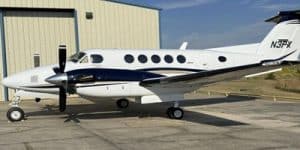

A jet card can look efficient until a company’s travel schedule becomes predictable, multi-day, and demanding. Aircraft ownership can look compelling until the first unexpected maintenance event, repositioning requirement, or weak resale market. The jet card versus ownership decision is not a lifestyle choice. It is an operating and capital-allocation decision that should be measured against the missions you actually fly.
For some travelers, a jet card provides reliable access with limited administrative burden. For others, owning an aircraft produces better schedule control, cabin consistency, and long-term utility. The correct answer depends on annual hours, passenger loads, trip duration, airport access, fleet needs, and willingness to manage an aircraft as a business asset.
Jet Card Versus Ownership Starts With Mission Profile
The most useful comparison begins with a 12- to 24-month review of completed and expected trips. Look beyond total flight hours. A buyer flying 75 hours annually on short domestic segments has a different requirement from a flight department flying 175 hours with frequent overnight stays, multiple passenger groups, and recurring access to smaller regional airports.
A jet card is generally best evaluated as purchased access to a category of aircraft. The provider establishes its service area, aircraft availability terms, daily minimums, peak-day rules, and fees. You are buying a defined number of hours, usually at a contracted rate, while the provider handles aircraft sourcing, crew coordination, maintenance planning, and dispatch.
Ownership means acquiring a specific aircraft and accepting the responsibilities tied to it. That can include crew recruitment, hangar arrangements, maintenance oversight, insurance, compliance, management agreements, scheduling, and eventual resale. The owner also controls the aircraft’s configuration, maintenance standards, operating base, and availability, subject to regulatory and operational constraints.
The distinction matters most when mission reliability is non-negotiable. A jet card may offer access to a light, midsize, or super-midsize cabin category, but it does not necessarily guarantee the same tail number, cabin layout, baggage capacity, or Wi-Fi standard on every trip. Ownership delivers greater consistency when the same aircraft and operating profile are essential to the business or family using it.
Compare the Full Cost, Not the Headline Rate
Jet cards simplify budgeting because their pricing is often presented as an occupied hourly rate. That rate may include aircraft, crew, and certain operating expenses, but buyers should confirm every assumption. Fuel surcharges, federal excise tax, segment fees, catering, deicing, international handling, repositioning, and peak-period premiums can change the effective cost of a trip.
Daily minimums deserve particular attention. A 45-minute flight can be billed as one or two hours depending on the program and aircraft category. For travelers with frequent short legs, this can materially increase annual spend. Likewise, a card designed around domestic travel may be less economical for international missions, remote destinations, or trips requiring a specific aircraft capability.
Ownership has both fixed and variable costs. The acquisition price is only the beginning. Fixed costs can include debt service or opportunity cost of capital, crew salaries and training, insurance, hangar or tie-down, subscriptions, management fees, and scheduled maintenance reserves. Variable costs include fuel, engine program contributions, maintenance labor and parts, landing fees, navigation charges, catering, and trip-specific crew expenses.
Depreciation and resale value should be included in any ownership analysis. Aircraft values are influenced by total time, engine status, maintenance pedigree, avionics, records quality, damage history, market supply, and buyer demand for the model. A lower purchase price is not automatically a better deal if the aircraft has expensive upcoming inspections, an unfavorable engine position, or limited liquidity at resale.
The break-even point is therefore not a universal annual-hour figure. It varies by aircraft category, purchase price, financing structure, management arrangement, and how efficiently the aircraft is used. An owner who can place an aircraft on charter may offset some costs, but charter revenue adds wear, scheduling compromises, commercial operating requirements, and market exposure. It should be treated as a separate business decision, not assumed income.
Availability and Control Are Often Worth More Than Hourly Savings
A jet card can be highly effective for occasional travel, varied mission lengths, or buyers who want to avoid the operating complexity of a flight department. It also offers flexibility to move between cabin categories. A light jet may fit a two-person regional trip, while a larger cabin aircraft may be appropriate for a transcontinental mission with several executives.
That flexibility can become a limitation when travel demand is concentrated around holidays, major events, or weather-sensitive periods. Card programs commonly have peak-day limitations and advance-notice requirements. Availability can be subject to provider capacity, fleet composition, and the operating conditions at the departure or arrival airport.
Ownership provides a stronger degree of command over timing and aircraft readiness. Your crew, your maintenance standards, and your cabin configuration are aligned around the missions that matter to you. That advantage is particularly meaningful when travel changes quickly, when trips require several days away, or when the aircraft must be positioned near a specific headquarters or residence.
Control has a cost. An owner must make decisions that card users can delegate, including whether to repair or defer a noncritical discrepancy, how to maintain crew coverage, when to schedule major inspections, and how to handle an aircraft that is grounded away from home. A qualified management company can reduce the administrative burden, but it does not remove the owner’s financial exposure.
When a Jet Card Usually Makes Sense
A jet card is often the stronger option for travelers whose annual usage is modest, irregular, or spread across different aircraft categories. It can work well for a business owner who needs private aviation several times each quarter but has no need to control a dedicated aircraft.
It can also be useful before an acquisition. Buyers considering ownership may use a jet card to document actual travel patterns: the airports used, passenger count, luggage requirements, typical stage lengths, and cabin expectations. That evidence is more valuable than selecting an aircraft based on an aspirational mission profile.
Card users should compare providers based on more than price. Review aircraft age expectations, sourcing practices, interchange rules, peak-day access, service recovery procedures, international coverage, and refund or expiration terms for unused hours. The lowest published rate may not represent the best value if the program does not support the flights you need to complete.
When Aircraft Ownership Usually Makes Sense
Ownership becomes more compelling when utilization is substantial and predictable, particularly when the aircraft is needed for recurring business routes or frequent multi-day missions. A dedicated aircraft can reduce scheduling friction, support a consistent onboard environment, and provide access to the exact performance characteristics required by the mission.
The right aircraft must be selected on capability rather than status. Runway performance, range with required reserves, payload at typical temperatures, baggage volume, cabin height, lavatory configuration, maintenance network, and dispatch reliability all affect the aircraft’s practical value. A larger aircraft is not necessarily more useful if it creates unnecessary fixed costs or cannot operate efficiently from your most-used airports.
Acquisition diligence is central to protecting the investment. Buyers should validate logbooks, maintenance status, engine and APU program coverage, modification records, damage history, registration records, inspection requirements, and comparable sales. The market value of an aircraft is established by real transaction evidence and current supply, not only by an asking price.
FindAircraft.com provides a central workspace for this type of review, with current inventory, model-level specifications, sales records, comparable aircraft data, registration information, and market tracking tools. For buyers evaluating ownership, the ability to compare available aircraft against historical transactions helps separate a properly priced asset from one carrying unrecognized future cost.
Build a Decision Model Before You Commit
Use the same mission assumptions for both options. Estimate annual occupied hours, but also record days away, average passengers, departure airports, international use, short-leg frequency, and the number of trips that require peak-period travel. Then model the jet card’s effective all-in cost against ownership’s annual fixed costs, variable costs, capital commitment, and projected residual value.
Run a conservative case as well as an expected case. Assume fewer charter offsets, higher maintenance costs, and a slower resale market for ownership. For a jet card, assume some peak-day restrictions, daily minimums, and trips that require a higher cabin category. The strategy that remains workable under conservative assumptions is usually the safer operating decision.
The best choice is the one that lets you complete critical trips without paying for capability you do not use. Start with the mission, validate the operating economics, and let current aircraft market evidence determine whether dedicated ownership has earned its place in the plan.