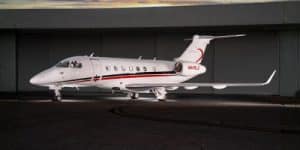

A Pilatus PC-12 is often shortlisted beside light jets, King Airs, and high-end piston twins for one reason: it can perform missions that normally require more than one aircraft. This Pilatus PC-12 review focuses on the questions that matter in an acquisition decision – mission fit, ownership economics, condition risk, and how to compare individual aircraft rather than relying on an advertised asking price.
Where the PC-12 Fits in the Market
The PC-12 is a single-engine pressurized turboprop built around utility without treating comfort as an afterthought. It has become a familiar aircraft in corporate transportation, private ownership, air ambulance work, cargo operations, and managed fleets. That broad operator base supports demand, but it also means the used market includes aircraft with very different mission histories.
For a buyer moving up from a piston aircraft, the PC-12 offers turbine reliability, a larger usable cabin, higher cruise capability, and meaningful weather capability. For a light-jet buyer, it offers lower-speed economics, lower fuel burn, short-field flexibility, and the ability to use airports that may be impractical for many jets. The trade-off is straightforward: it does not deliver jet cruise speeds, and buyers who routinely need to cover long sectors on a tight schedule may outgrow it.
The aircraft's defining feature is not any single specification. It is its operational range. A properly configured PC-12 can carry executives, family, baggage, golf equipment, medical equipment, or bulky cargo through its large aft door. That flexibility has a direct effect on residual value because it broadens the future buyer pool.
Performance and Mission Capability
Most PC-12 variants use a Pratt & Whitney Canada PT6A-series engine, a powerplant with extensive worldwide operating experience. Depending on variant, weight, altitude, and temperature, buyers can generally expect cruise performance in the high-200-knot range. Published range figures can exceed 1,500 nautical miles under favorable planning assumptions, but acquisition planning should use realistic payload, reserve, routing, and weather assumptions instead of brochure maximums.
The aircraft's 30,000-foot service ceiling gives operators access to smoother air and more efficient routing than unpressurized aircraft. At the same time, the PC-12 remains practical at shorter runways and can operate from prepared unpaved surfaces when conditions and operating approvals support the mission. For owners based near secondary airports, ranch strips, mountain communities, or destinations with limited infrastructure, this is a material advantage rather than a marketing detail.
Cabin layout is equally important. Typical executive interiors accommodate six to eight passengers, with configurations varying by year and operator. The cabin is not as wide as a midsize jet cabin, but it is functional, accessible, and unusually adaptable for the class. A forward refreshment area, enclosed lavatory arrangements on many aircraft, and the large cargo door support real-world trips better than seat-count comparisons suggest.
Variant Differences Matter
The PC-12 family is not a single used-aircraft product. Earlier PC-12/45 aircraft, later PC-12/47 models, NG aircraft, and PC-12 NGX models differ in maximum weight, avionics, interior, engine variant, and buyer appeal.
The PC-12/47 increased maximum takeoff weight and is generally more capable for payload-sensitive missions than earlier examples. The NG introduced a modernized flight deck and other refinements, while the NGX added the Garmin G3000-based Advanced Cockpit Environment, updated cabin features, and an autothrottle system. An NGX typically commands a premium, but the right decision depends on the mission and the capital budget. A well-maintained older aircraft with current avionics, strong records, and favorable engine status can be a better acquisition than a newer aircraft with deferred needs or commercial wear.
Operating Costs: Efficient, Not Inexpensive
The PC-12 has a reputation for favorable economics compared with twin turboprops and light jets. That reputation is earned, but it should not be confused with low-cost ownership. Fuel consumption is often substantially below that of a light jet, and a single PT6A engine reduces the number of major engine events an owner must fund. Insurance, hangar, training, maintenance management, subscriptions, crew, and scheduled inspections still require disciplined budgeting.
The most useful cost model separates fixed and variable expenses. Fixed costs include insurance, recurrent training, hangar or tie-down, database subscriptions, and annual compliance requirements. Variable costs include fuel, engine reserves, maintenance reserves, parts, labor, landing fees, and unscheduled discrepancies. A private owner flying 100 hours annually will experience a very different cost per hour than a managed operator flying 400 hours, even if both own similar aircraft.
Engine status deserves close attention. Buyers should confirm total time since new, time since overhaul, hot-section history where applicable, maintenance program enrollment, and the assumptions behind any reserve calculation. A low-time engine is valuable, but not automatically superior if the aircraft has spent extended periods inactive or has incomplete documentation. Calendar exposure, preservation practices, and operational history all affect the risk profile.
The Condition Review That Protects the Purchase
A PC-12 pre-purchase inspection should be designed around the specific serial number, not a generic checklist. The inspection facility should have strong type experience and no incentive to minimize findings in order to protect a transaction. The goal is to establish a clear baseline for airworthiness, maintenance compliance, near-term capital needs, and negotiating leverage.
Records should be complete and traceable from birth. Review airframe, engine, propeller, avionics, and component logbooks; damage and repair history; service bulletin compliance; FAA registration history; and any available accident or incident records. Commercial, charter, medical, cargo, and training use do not make an aircraft unacceptable. They do require a more precise assessment of cycles, cabin wear, corrosion exposure, interior condition, and the consistency of maintenance practices.
Particular attention should go to corrosion-prone areas, landing gear condition, propeller status, pressurization performance, environmental systems, deice equipment, batteries, tires and brakes, and avionics functionality. Verify current compliance with applicable airworthiness directives and manufacturer service requirements. If the aircraft is represented as having recent maintenance, determine exactly what was completed, what was deferred, and whether the work carries transferable warranty coverage.
A modern avionics suite adds operational value, but buyers should also verify the cost and availability of future upgrades. Connectivity, terrain awareness, autopilot performance, navigation databases, and cockpit display reliability affect both dispatch reliability and resale. An older cockpit can be acceptable for an owner-pilot mission, while a professionally managed aircraft may need a more current configuration to remain competitive.
Market Value Is More Than the Asking Price
PC-12 pricing varies materially by year, variant, total time, engine condition, avionics, interior quality, maintenance program participation, damage history, and location. Inventory can look comparable at first glance while carrying significantly different near-term obligations.
A credible valuation process starts with recent transaction evidence, then adjusts for the details that change ownership cost. Asking prices are useful indicators of seller expectations, not proof of market value. Sales comparables, days on market, listing reductions, and the distinction between retail, dealer, and wholesale transactions provide a more accurate negotiating position.
Buyers should also assess market liquidity. A highly customized interior, unusual equipment package, major repair history, or deferred maintenance can narrow the resale audience even if the aircraft performs well today. Conversely, clean records, desirable avionics, strong cosmetic condition, and predictable maintenance status can support both a faster transaction and stronger residual value.
FindAircraft.com gives buyers a practical starting point for this work by organizing current inventory alongside model data and historical transaction intelligence. Comparing a target PC-12 against current supply and verified sales activity helps separate an attractive aircraft from an attractive advertisement.
Who Should Buy a PC-12?
The strongest PC-12 buyer is not necessarily the buyer seeking the highest cruise speed. It is the buyer who values access, payload flexibility, practical cabin utility, and predictable turbine operations. It can be an excellent fit for an owner-pilot with appropriate training and insurance qualifications, a company serving multiple regional locations, or a management company that needs a versatile aircraft for changing client missions.
It may be the wrong fit for an operator whose typical trip is a long, time-critical sector with several passengers and minimal schedule tolerance. In that case, a light jet may justify its higher acquisition and operating cost. It may also be more aircraft than necessary for a buyer who primarily flies short trips with one or two people and has no need for pressurization or cargo access.
The best PC-12 transaction begins with a specific mission profile, a realistic all-in budget, and a serial-number-level review of condition and market position. Buy the aircraft that fits the work you will actually fly, then protect its value with complete records, disciplined maintenance, and a purchase price supported by evidence.