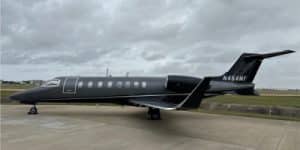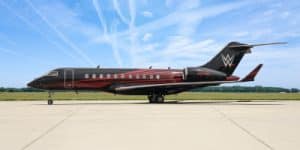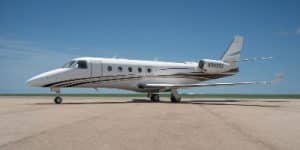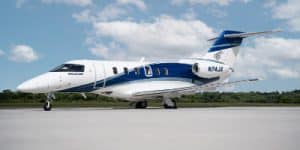

A late-model turboprop with a strong maintenance history may look equally attainable under two term sheets, yet the long-term economics can be materially different. The aircraft loan versus lease decision is not simply a question of monthly payment. It determines who controls the asset, who carries value risk, how much flexibility remains when the mission changes, and what happens at the end of the agreement.
For an owner-operator planning to keep an aircraft through several engine cycles, financing may create the better fit. For a company that needs predictable access to a business jet without committing capital to a depreciating asset, a lease can be more practical. The right answer begins with the operating mission and is validated through aircraft-specific market data, not a generic payment comparison.
Aircraft Loan Versus Lease: The Core Difference
An aircraft loan finances a purchase. The borrower takes title to the aircraft, while the lender holds a security interest until the debt is repaid. Once the loan is satisfied, the owner retains the aircraft and its remaining market value. That value may be substantial, particularly for a well-maintained aircraft with desirable specifications, but it can also decline as inventory expands, a new model enters service, or deferred maintenance becomes evident.
An aircraft lease provides use of the aircraft for a defined term. Depending on the structure, the lessor may retain ownership throughout the arrangement, and the lessee returns the aircraft at term end, renews, or exercises a purchase option. Lease agreements vary considerably. Some function economically like financed purchases, while others are designed around aircraft return and residual value assumptions.
This distinction matters because the party holding title usually bears more direct exposure to resale value, major maintenance events, and the time required to sell an aircraft. A lender evaluates collateral. A lessor evaluates both the lessee's credit profile and the aircraft's anticipated value at the end of the lease.
When an Aircraft Loan Makes More Sense
A loan generally suits buyers with a stable, long-range mission and a clear preference for ownership. A corporate flight department operating the same super-midsize jet for seven to 10 years, for example, may value the ability to configure the cabin, set utilization policies, and sell on its own timetable. The same can apply to a private owner acquiring a piston aircraft or turboprop for frequent personal and business travel.
Ownership also allows the buyer to participate in upside. If the aircraft was acquired at an attractive price, maintained properly, and positioned in a supply-constrained segment, resale proceeds can offset a meaningful portion of total ownership cost. That possibility should never be treated as guaranteed. Aircraft values are sensitive to total time, engine program status, avionics, damage history, maintenance quality, and shifting buyer demand.
Loans can also offer fewer return-condition constraints than a lease. A lessee may face specific requirements for paint, interior condition, records, component life, and maintenance status at redelivery. An owner still needs to preserve value, but can choose when and how to address cosmetic work, upgrades, and certain maintenance decisions within regulatory and operational limits.
The trade-off is capital commitment. A financed purchase commonly requires a down payment, closing costs, insurance, and immediate responsibility for scheduled and unscheduled maintenance. Even when monthly debt service is manageable, the owner must be prepared for a major inspection, engine event, or avionics requirement that arrives earlier than planned.
When Leasing Is the Better Operating Decision
Leasing can be a strong choice when access matters more than permanent ownership. A growing company may need a light jet now but expect its passenger load, route profile, or fleet policy to change within three years. A lease can preserve capital for operations, expansion, or other investments while providing a known aircraft platform for the current mission.
A properly structured lease may also provide more predictable end-of-term planning. Instead of forecasting an aircraft's resale price years in advance, the lessee agrees to return the aircraft under defined conditions. That can reduce exposure to a weak resale market, especially in categories where new deliveries or changing technology may pressure older aircraft values.
Predictability is not the same as simplicity. Lease payments may be lower than loan payments because the lessor expects the aircraft to retain value at the end of the term. But that lower payment can be paired with utilization limits, maintenance reserve requirements, insurance obligations, geographic restrictions, and redelivery standards. Excess hours, missing records, worn interiors, or insufficient remaining component life can create substantial end-of-term charges.
Leasing is therefore most effective when the lessee can forecast utilization with reasonable confidence and has the operational discipline to maintain the aircraft exactly as required. It is less attractive for a buyer who expects extensive modifications, irregular high utilization, or a desire to keep the aircraft indefinitely.
Compare Total Cost, Not the Monthly Payment
The monthly payment is easy to compare and easy to overvalue. A sound analysis looks across the full holding period, including acquisition costs, interest or lease charges, tax considerations, insurance, hangar or management costs, maintenance, reserves, upgrades, and disposition or redelivery exposure.
For a loan, model a conservative resale value rather than an optimistic asking price. Asking prices are useful indicators of current supply, but completed transaction data provides a stronger basis for estimating actual market behavior. Compare recent sales for the same model, year range, equipment level, total time, and maintenance status. Also review active inventory. A model with many competing listings may take longer to sell, even if headline pricing appears stable.
For a lease, scrutinize the residual assumptions embedded in the contract. The lessor may be taking residual risk, but the lessee can still be affected through purchase-option pricing, return conditions, required maintenance status, and restrictions that limit operational flexibility. Confirm whether maintenance reserves are refundable, how excess wear is defined, and which party pays for an upcoming major inspection if it falls near lease expiration.
FindAircraft.com users can evaluate active supply alongside more than 150,000 sales records to separate advertised pricing from transaction evidence. That distinction is valuable whether negotiating a purchase price, estimating collateral value for a lender, or testing whether a lease residual is realistic.
Tax and Accounting Require Aircraft-Specific Advice
Tax treatment can influence the decision, but it should not be the sole reason to buy or lease. A purchased aircraft may offer depreciation opportunities when it is used in a qualifying business context. Lease payments may be deductible as operating expenses in some circumstances. The answer depends on ownership structure, business use, personal use, charter activity, state and local tax exposure, and current law.
Accounting treatment also varies with the lease structure and applicable standards. A finance team should model the transaction with aviation tax counsel and a qualified accountant before signing. The purchase agreement or lease should match the intended tax, accounting, and operational structure from the beginning. Trying to correct that alignment after closing is expensive and often limited by the contract.
Questions That Should Decide the Structure
Start with the mission: How many hours will the aircraft fly each year, and how certain is that forecast? Then consider the expected holding period. An owner planning a decade of use often has a different answer than a company solving a three-year mobility requirement.
Next, evaluate balance-sheet priorities. Can the buyer commit a down payment and retain adequate liquidity for maintenance, insurance, and business needs? Is the organization comfortable carrying asset value risk, or would it rather pay for defined-term use? Finally, consider operational control. Does the aircraft need specialized equipment, a custom interior, international flexibility, or utilization beyond typical lease assumptions?
There is no universal winner in an aircraft loan versus lease. The strongest structure is the one that matches the aircraft's market position, the buyer's capital plan, and the real operating mission. Before choosing, build the comparison around a specific serial number or tightly defined model group, verify the sales evidence, and negotiate the term sheet with the same discipline used for the aircraft itself.