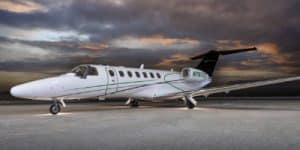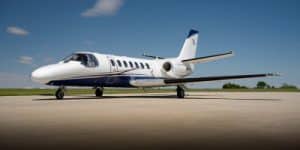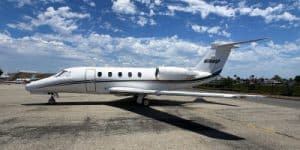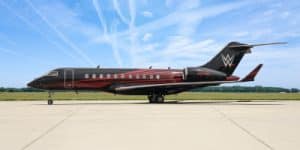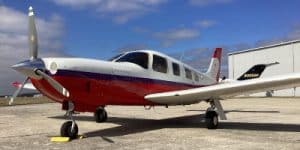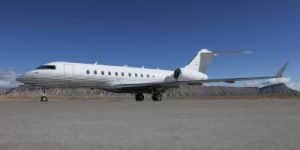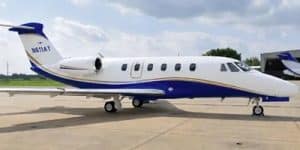

A low purchase price can make an aircraft appear affordable until the first insurance indication arrives. Aircraft insurance cost is not a fixed percentage of hull value, and two buyers looking at the same model can receive materially different terms. Underwriters price the complete operating risk: the aircraft, the pilot, the mission, the airport environment, and the quality of the operator’s transition plan.
For an acquisition decision, insurance should be reviewed alongside financing, maintenance reserves, hangar costs, training, and expected utilization. A quote that is difficult to obtain, heavily restricted, or dependent on costly recurrent training can change the economics of an otherwise attractive aircraft.
What Aircraft Insurance Covers
Most owners purchase an aviation policy with two primary components. Liability coverage responds to covered third-party bodily injury and property-damage claims. Hull coverage addresses physical damage to the insured aircraft, subject to the policy terms and deductible. The hull limit is generally based on an agreed value, which should reflect a defensible replacement or market value rather than an optimistic asking price.
Additional provisions can matter just as much as the headline premium. Policies may address medical payments, passenger liability, non-owned aircraft, ground risks, emergency expense, and limited coverage while the aircraft is in maintenance or being transported. The exact terms vary by insurer and operation.
A buyer comparing premiums should therefore compare like with like. A lower price may reflect lower liability limits, a higher deductible, a narrower pilot warranty, fewer approved uses, or restrictions on who may fly the aircraft. Those differences can be consequential after a loss or when the owner wants to add a second pilot.
The Main Drivers of Aircraft Insurance Cost
Aircraft value, class, and repair exposure
Hull value sets part of the insurer’s potential loss, but value alone does not determine the premium. A $500,000 piston aircraft and a $500,000 turbine aircraft present very different claims scenarios. Parts availability, repair complexity, landing gear configuration, avionics value, engine reserves, and the availability of qualified maintenance facilities all influence the underwriting view.
Aircraft class also matters. Fixed-gear piston singles often have a broader pilot and claims base than retractable, high-performance, tailwheel, experimental, rotorcraft, or turbine aircraft. That does not make a more complex aircraft uninsurable. It means the insurer will look more closely at qualifications, training, and the owner’s planned operating environment.
Age is not automatically a penalty. A well-maintained older aircraft with complete records, current avionics, and strong engine and airframe status can be attractive to an underwriter. Conversely, corrosion concerns, gaps in maintenance documentation, obsolete components, or a history of recurring damage can affect both availability and price.
Pilot experience and recent training
For owner-flown aircraft, the named pilot is often the largest variable. Total flight time matters, but time in make and model, time in class, recent flight activity, instrument proficiency, accident and violation history, and formal training history are more informative than a single total-time figure.
A pilot moving from a fixed-gear single into a retractable high-performance aircraft, or from a piston aircraft into a turboprop or light jet, should expect underwriters to require a transition course and supervised operating experience. The requirement may specify an approved school, a mentor pilot, a number of hours, or a combination of each. These requirements are often sensible risk controls, but they add real acquisition and operating expense.
The difference between a pilot who has not flown a model in several years and one who completed recurrent training last month can be meaningful. Buyers should not assume that a certificate rating alone satisfies the insurer’s pilot requirements.
How and where the aircraft will be used
Personal transportation, business travel, flight instruction, rental, aerial work, charter, and corporate operation do not carry the same exposure. The number of annual hours matters, but so do passenger frequency, whether compensation is involved, single-pilot versus crewed operation, and the geographic footprint of the operation.
An aircraft based at a paved, controlled airport in a hangar may be viewed differently from one tied down outdoors at a high-wind field, operated from short strips, or routinely flown into remote locations. Coastal storm exposure, hail, wildfire, flood risk, and congested airport activity can also affect pricing and deductibles.
International operations deserve early discussion. A policy designed for domestic personal use may not provide the limits, territory, or operational flexibility needed for cross-border business travel. Clarify the planned mission before requesting quotes rather than trying to amend coverage after closing.
Liability limits and the ownership structure
Liability limits are a business decision as well as an insurance decision. Owners with substantial assets, frequent passengers, corporate use, or lender requirements may need higher limits than a recreational owner flying alone or with family. Higher limits usually increase premium, but selecting minimal coverage solely to reduce cost can create an unacceptable gap in a serious claim.
The ownership entity also needs to match the policy. An LLC, partnership, corporation, trust, managed aircraft arrangement, or leaseback structure can introduce additional insureds, named insured requirements, and contractual obligations. If the entity is formed for title, tax, or liability purposes, provide those details to the broker and insurer before binding coverage.
Claims history and market conditions
A prior loss does not necessarily prevent coverage, especially when the circumstances are understood and corrective training or procedures are documented. Still, claims history is part of the file. So are recent losses involving the make and model, the availability of repair parts, and broader insurer capacity for that aircraft category.
That final point explains why premiums can change even when an owner has no claim and no operational change. Aviation insurance is a specialized market. Severe weather losses, repair inflation, litigation costs, and underwriting appetite can affect renewal terms across an entire segment.
How to Budget for Aircraft Insurance Before Making an Offer
Request an insurance indication early, ideally while narrowing the aircraft type rather than after committing to a serial number. For a first-time buyer, this step may identify a model that is technically within the purchase budget but impractical to insure under the buyer’s current experience level.
Provide complete, consistent information. A useful underwriting submission includes:
- The exact aircraft make, model, year, serial number when available, and proposed hull value.
- Pilot resumes showing total time, time in type, recent time, certificates, ratings, and training.
- The intended use, expected annual hours, base airport, storage arrangement, and geographic territory.
- Ownership details, including every entity and any lender, management company, or additional pilot.
- A clear explanation of accidents, incidents, claims, enforcement actions, or extended gaps in flying.
This is not paperwork for its own sake. Accurate underwriting information produces a more reliable indication and reduces the risk of a surprise exclusion or pilot warranty at binding. If another pilot will fly the aircraft, include that person from the outset.
When reviewing a quote, focus on the entire operating commitment. Confirm the annual premium, hull value, liability limits, deductibles, pilot warranty, training requirements, approved uses, territorial limits, and any conditions that must be met before solo operation. Ask what would happen if the aircraft is upgraded, moved to a different base, placed on a management certificate, or flown by a newly added pilot.
Use Market Data to Set a Defensible Hull Value
Overinsuring an aircraft may increase premium without creating a better outcome, while underinsuring it can leave an owner short of the capital needed to replace the aircraft after a total loss. The right agreed value should be supported by current comparable listings, recent transaction data, equipment differences, airframe and engine status, and the aircraft’s overall condition.
This is particularly important in thinly traded markets. A vintage warbird, a specialized helicopter, or a late-model business jet with a distinctive cabin and connectivity package may not have a simple book value. Research-grade comparable sales and active inventory help owners distinguish an ambitious list price from an insurable market value. FindAircraft.com organizes current inventory and historical sales information to support that valuation work before the insurance application is submitted.
A lender may have its own insurance requirements, including minimum liability limits, a maximum deductible, and a loss-payee endorsement. Make sure the finance structure, purchase agreement, and policy all use the same hull value and ownership details.
The Cheapest Quote Is Not Always the Lowest Cost
An inexpensive policy can become costly if it prevents the owner from flying the planned mission or requires unbudgeted training each time a pilot changes. On the other hand, paying for excessive limits or broad permissions that will never be used is not efficient either. The objective is coverage aligned to the actual aircraft, operator, and mission.
Before you remove a purchase contingency or schedule closing, have the proposed policy reviewed against your operating plan line by line. A clear insurance path gives the buyer one more measure of confidence that the aircraft is not only desirable to own, but practical to operate.